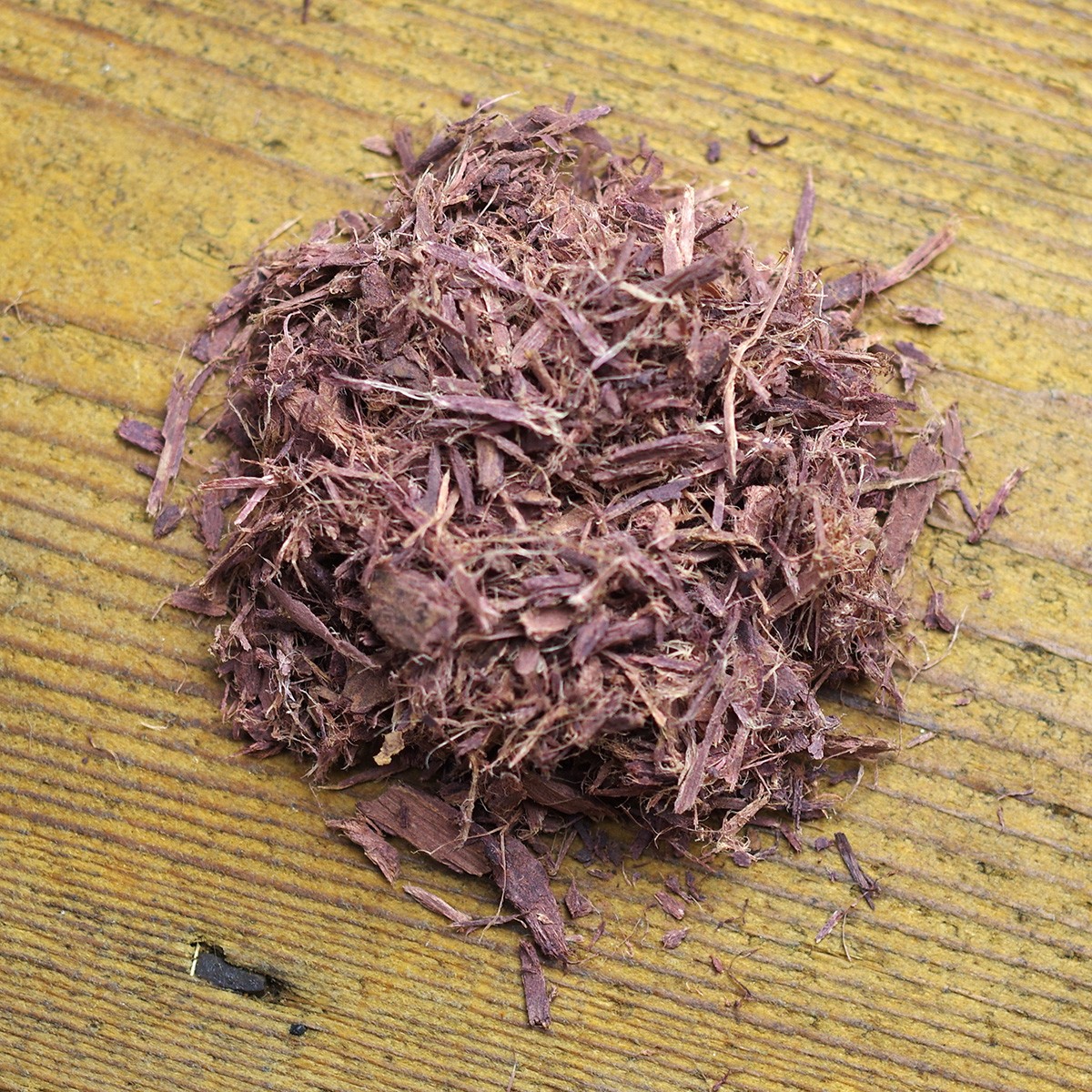
Warm neutrals have become a favorite palette in natural dyeing, and Cutch dye is one of the most versatile ways to achieve them. Known for its gentle, earthy tones and reliable performance, Cutch dye allows makers to explore a spectrum of warm browns and soft neutrals without synthetic chemicals. Whether you’re crafting garments, décor textiles, or artisanal fiber pieces, Cutch dye provides depth, dimension, and a naturally soothing aesthetic. With its botanical origins and rich tannin base, Cutch dye remains essential for modern dyers seeking warmth and balance in their color stories.
Why Cutch Dye Is Ideal for Warm Neutrals
Naturally Soft, Earthy Shades
The inherent warmth of Cutch dye creates neutrals that feel organic and grounded. Unlike stark or overly saturated dyes, Cutch dye produces browns, tans, and beiges with a calm, harmonious character.
Excellent for Layering
Because it responds so well to overdyeing, Cutch dye lets artists build warmth gradually. These layered shades help form complex neutrals that feel both subtle and expressive.
Preparing Fibers for Neutral Tones
Cleaning for Even Absorption
To get smooth, consistent neutral shades from Cutch dye, begin by thoroughly scouring your fibers. This step removes residues that may disrupt the natural softness of the final color.
Mordanting for Stability
Even though Cutch dye has a high tannin content, mordants help refine neutral tones. Alum maintains lighter, peachy browns, while iron shifts shades toward smoky, muted neutrals perfect for minimalistic palettes.
Techniques to Create Warm Neutrals with Cutch Dye
Controlled Dye Concentration
Using lower concentrations of Cutch dye creates delicate beige and tan hues. This technique is perfect for subtle backgrounds, minimalist garments, or layered color bases.
Simmering for Soft Depth
A gentle simmer allows Cutch dye to develop nuanced tones without becoming too dark. This slow approach enhances the creamy warmth associated with natural neutrals.
Dip-Dye Methods
For a gradient effect, dip-dyeing with Cutch dye produces soft transitions between light and mid-brown tones. This technique is ideal for scarves, wraps, and home décor pieces.
Overdyeing for Complex Warm Shades
By layering Cutch dye over dyes like weld or pomegranate, artists can achieve sandy golds and warm taupes. Overdyeing with indigo creates muted greens and shadowy neutrals with a modern, earthy feel.
Adding Variation with pH and Modifiers
Adjusting with Iron
Iron is commonly used with Cutch dye to produce cooler neutrals. Adding a small amount of iron modifier after dyeing deepens colors into greige or stone-like tones.
Using Alkalis
A mild alkaline rinse shifts Cutch dye slightly warmer, introducing soft caramel undertones to neutral shades.
Acids for Rosy Warmth
An acidic bath highlights subtle pinkish notes within Cutch dye, creating inviting neutrals ideal for apparel and accessories.
Project Ideas for Warm-Neutral Cutch Dye Shades
Minimalist Apparel
Soft neutrals from Cutch dye suit minimalist clothing designs such as tunics, wraps, shawls, and hand-dyed tops. Their warm, natural look pairs effortlessly with sustainable fashion aesthetics.
Home Textiles
Table linens, cushion covers, and wall hangings created with Cutch dye bring warmth and calm into interior spaces. These gentle neutrals complement natural woods, woven baskets, and botanical décor.
Fiber Art and Weaving
For weavers and fiber artists, Cutch dye offers a grounding palette. Its warm neutrals blend beautifully with textured yarns and handspun fibers.
Tips for Maintaining Warm Neutral Shades
To preserve the softness of Cutch dye, wash textiles gently using pH-neutral soap. Avoid direct sunlight when drying, as neutral tones can shift subtly with extended exposure. Proper care ensures that pieces dyed with Cutch dye maintain their inviting, natural warmth.
Conclusion
Creating warm neutrals with Cutch dye opens the door to an elegant, earth-inspired palette. From soft tans to gentle browns, the dye offers a flexible range of techniques that allow artists to refine depth, tone, and atmosphere. By exploring modifiers, overdyeing, and controlled dye concentrations, makers can craft timeless neutrals that elevate any textile project. With Cutch dye, every piece reflects the organic beauty and calming balance of nature’s own color palette.