
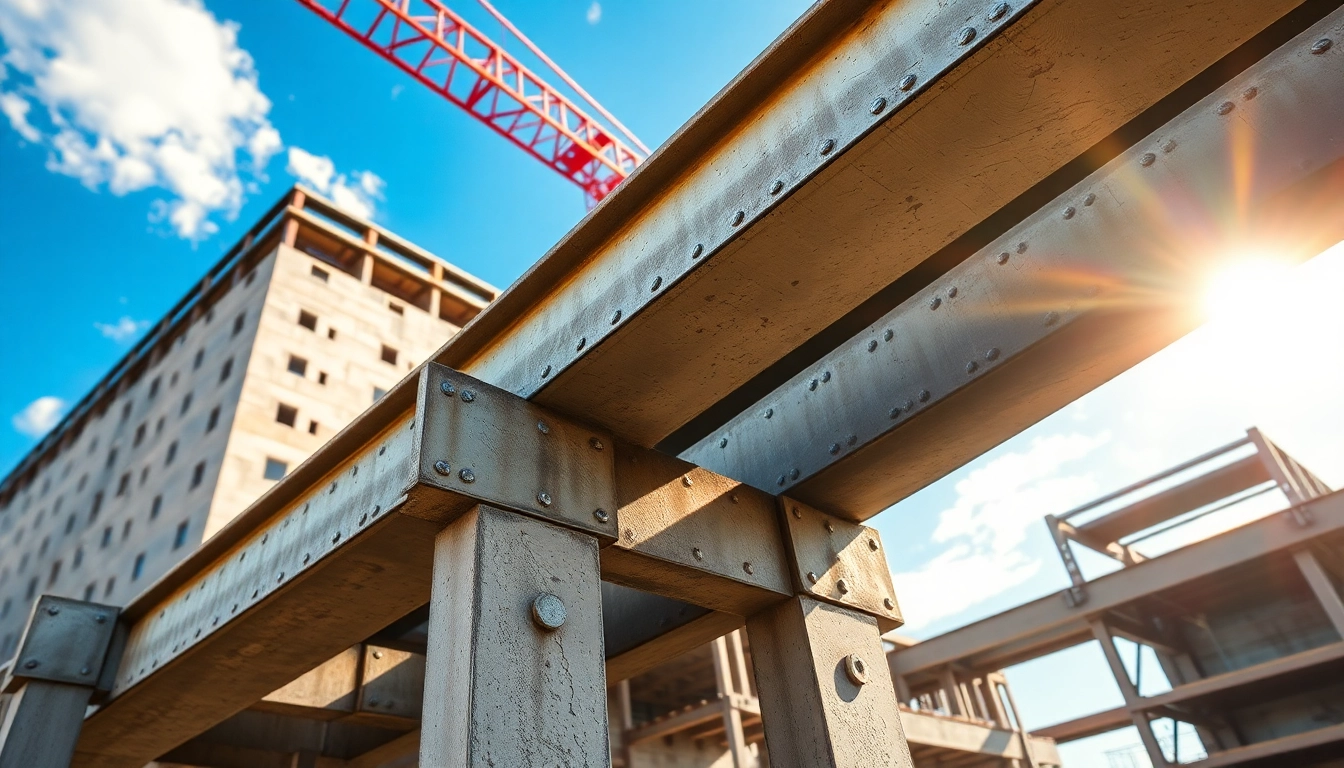
Understanding Structural Steel Construction
Structural steel construction is an essential part of modern architecture and engineering. This framework serves as the backbone of numerous buildings, bridges, and other structures worldwide. It uses a carbon-based alloy that offers a unique combination of strength, ductility, and resilience. Properly executed, structural steel construction not only enhances performance but also provides sustainability in various applications.
What is Structural Steel Construction?
At its core, structural steel construction refers to the use of steel to create load-bearing structures. This type of steel is fortified with higher carbon content, making it robust enough to support substantial weights. Structural steel conforms to industry standards set by organizations such as ASTM International in the United States. These standards ensure safety, durability, and structural integrity, vital for any construction project.
Key Characteristics of Structural Steel
Some primary characteristics of structural steel include:
- Strength: High tensile strength allows it to carry heavier loads than other materials.
- Ductility: Its ability to bend without breaking provides flexibility for various designs.
- Longevity: Steel structures can last several decades with minimal maintenance, provided proper care is taken.
- Weight: Lightweight yet strong, structural steel enables taller and more extensive structures.
- Versatility: Can be molded into various shapes and forms, making it suitable for diverse projects.
Common Uses and Applications
The applicability of structural steel spans numerous industries, including:
- Commercial Buildings: Office towers and shopping complexes often utilize structural steel frames for their strength and flexibility.
- Industrial Facilities: Steel is ideal for factories, warehouses, and distribution centers requiring large open spaces with high ceilings.
- Bridges: Numerous connections and load points can be efficiently handled by structural steel designs.
- Residential Buildings: Increasingly popular in modern homes for aesthetic appeal and practicality.
- Infrastructure Projects: Steel is integral in the construction of railways, highways, and airports.
Design and Engineering Considerations
The design and engineering phase is critical in the successful implementation of structural steel construction. Various factors come into play, such as aesthetics, functionality, and safety.
Key Design Principles
Designing with structural steel involves several principles. These include:
- Load Distribution: Proper load analysis is crucial to determining how forces are transmitted through the structure.
- Safety Margins: Structural engineers must include factors like live load, dead load, and environmental stresses in the design.
- Aesthetic Integration: The design should resonate with the building’s purpose while presenting an appealing visual aspect.
Load Calculations in Structural Steel Construction
Load calculations form the foundation of a safe and effective structural design. Load types include:
- Dead Loads: The weight of the structure itself, including walls, floors, and roofs.
- Live Loads: Temporary loads from occupants, furniture, and equipment that the structure must support.
- Environmental Loads: Factors such as wind, snow, and seismic activity that can impact the structure’s stability.
Standards and Regulations in Design
National and local building codes regulate structural steel construction. Compliance with standards such as those from the American Institute of Steel Construction (AISC) ensures projects meet safety and performance expectations. These guidelines outline everything from material properties to design methodologies, stressing the importance of using certified materials and following safe construction practices.
Methods of Structural Steel Construction
The methods utilized in structural steel construction can significantly impact timeframe, costs, and quality.
Traditional Construction Methods
Traditional construction methods often involve site welding and bolting of pre-fabricated components. While labor-intensive, this approach allows for custom structures to be erected onsite effectively. However, it may lead to longer project timelines.
Modern Techniques and Innovations
Advancements in technology have led to innovative construction techniques. The use of Building Information Modeling (BIM) allows for enhanced visualization of projects and better collaboration among stakeholders. Additionally, off-site fabrication methods, which involve constructing steel components in a controlled environment before transport to the site, have gained popularity for improving efficiency and safety.
Comparing Different Construction Approaches
When comparing traditional and modern methods, consider the following:
- Efficiency: Modern techniques typically reduce lead times and enhance productivity.
- Cost: Off-site manufacturing can minimize waste and labor costs, while traditional methods may require more onsite labor.
- Quality Control: Factory conditions often result in better quality finishes than those possible on-site.
- Flexibility: Modern methods allow for more iterative design approaches and quick modifications.
Advantages of Using Structural Steel
The advantages of adopting structural steel in construction projects are multifaceted.
Cost-Effectiveness and Durability
Structural steel is often more cost-effective than traditional materials like wood or concrete. It can be manufactured at scale, leading to lower costs for mass production. Furthermore, its longevity reduces the need for frequent repairs or renovations, which can save money long-term.
Environmental Benefits of Steel Construction
Steel is 100% recyclable, making it an environmentally friendly option for construction projects. Utilizing recycled steel significantly reduces carbon emissions associated with the manufacturing process. Moreover, many structural steel components can help achieve green building certifications, contributing to sustainable development.
Flexibility and Design Versatility
Another prime advantage of structural steel is its design versatility. It can accommodate a wide array of architectural styles and functionalities. From intricate designs to complex forms, the flexibility of structural steel construction enables engineers and architects to push the boundaries of creativity and innovation.
Challenges and Best Practices
While structural steel offers numerous benefits, several challenges can arise during construction.
Safety Concerns in Structural Steel Construction
Safety is paramount in structural steel construction, given the heavy materials and complex assembly involved. Common safety measures include:
- Personal Protective Equipment (PPE): Workers must wear appropriate safety gear at all times.
- Training Programs: Workers should undergo regular training to operate equipment safely and effectively.
- Site Inspections: Regular inspections can identify potential hazards before they lead to accidents.
Common Issues and How to Overcome Them
Construction projects often face hiccups, such as design flaws, delays in materials, and miscommunication among teams. To overcome these challenges:
- Careful Planning: Detailed project plans can minimize pitfalls before they arise.
- Effective Communication: Maintaining open channels between stakeholders can reduce misunderstandings.
- Quality Checkpoints: Regular quality assessments ensure standards remain high throughout the project.
Best Practices for Sustainability
Implementing best practices for sustainability in structural steel construction can lead to better outcomes for the environment and communities. This includes:
- Using Recycled Materials: Incorporating recycled steel significantly reduces environmental impact.
- Energy Efficiency: Designing buildings to maximize natural light and ventilation reduces energy consumption.
- Waste Management: Developing a solid waste management plan can minimize construction waste.
Frequently Asked Questions
1. What is structural steel construction?
Structural steel construction involves using steel as a primary material for load-bearing components in buildings and other structures.
2. How long does structural steel last?
When properly maintained, structural steel can last over 50 years, providing both durability and reliability.
3. What types of structures can use structural steel?
Structural steel is used in various applications, including commercial buildings, bridges, and infrastructure projects like stadiums and warehouses.
4. What are the environmental benefits of using structural steel?
Structural steel is fully recyclable, reducing waste, and its production can lead to lower carbon footprints compared to other materials.
5. How does structural steel compare to other construction materials?
Structural steel is generally stronger, more durable, and offers more design flexibility compared to materials like wood or concrete.

