
What is a VPN and How Does It Work?
Definition and Functionality of VPN
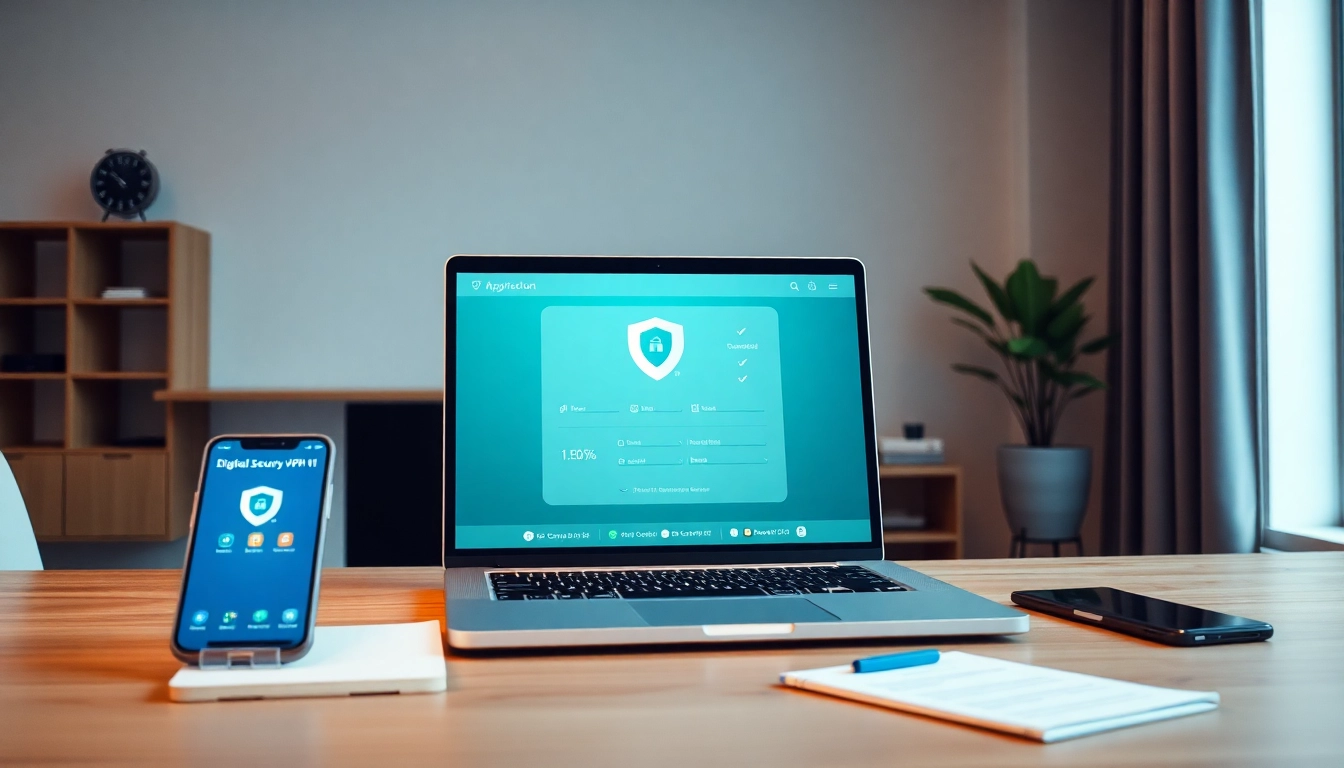
A Virtual Private Network (VPN) is a technology that creates a secure and encrypted connection over a less secure network, such as the Internet. VPNs are primarily used to protect sensitive data and to conceal the user’s location by masking their IP address. This functionality makes it appear as if the user is accessing the internet from a different location, thereby enhancing online privacy and allowing for unrestricted access to content.
How VPN Encrypts Your Data
Encryption is the backbone of VPN technology. When you connect to a VPN, the data transmitted between your device and the VPN server is encrypted, making it indecipherable to outsiders. This secure tunnel protects data from potential eavesdroppers, such as hackers, which is especially crucial when using public Wi-Fi networks. The most commonly used encryption protocols include OpenVPN, L2TP/IPsec, and PPTP, offering varying levels of security and speed.
Types of VPN Connections Available
There are several types of VPNs, each serving different purposes:
- Remote Access VPN: Allows users to connect to a private network from a remote location using a public internet connection.
- Site-to-Site VPN: Connects entire networks to each other, allowing users at one location to securely access resources of another location.
- Client-based VPN: Requires software installation on the user’s device for authentication and connection.
- Browser-based VPN: Typically provided as a browser extension, offering a simple way to mask IP and encrypt browsing data.
Top Benefits of Using a VPN
Enhanced Online Privacy and Security
By masking the user’s IP address, a vpn adds a critical layer of security to online activities, making it more challenging for third parties to track online behavior. Furthermore, the encryption of data helps prevent sensitive information, like banking details and personal communications, from being intercepted.
Accessing Geo-Restricted Content
One of the standout features of VPNs is their ability to bypass geo-restrictions. Content libraries on streaming platforms differ from country to country due to licensing agreements. A VPN enables users to appear as if they are located in a country where the desired content is available, thus allowing access to a wealth of global entertainment options.
Improved Internet Speed and Connectivity
Contrary to popular belief, using a VPN can sometimes improve internet speeds. Many Internet Service Providers (ISPs) throttle bandwidth for particular types of traffic, especially during peak usage times. A VPN can help obscure this traffic, enabling smoother browsing and streaming experiences in some cases.
Choosing the Right VPN for Your Needs
Factors to Consider When Selecting a VPN
When considering a VPN, several factors warrant attention:
- Security Features: Look for robust encryption methods, a no-logs policy, and additional features like a kill switch.
- Speed: Evaluate the connection speeds offered via user reviews or independent testing.
- Compatibility: Ensure the VPN is compatible with all your devices and operating systems.
- Customer Support: Reliable customer service is essential for troubleshooting and assistance.
Free vs. Paid VPN Services
While free VPN services may seem appealing, they often come with limitations, including data caps, slower speeds, and potentially lower security standards. Paid VPNs typically offer comprehensive features, better security protocols, and no bandwidth limitations, making them a more reliable option for serious users.
Key Features to Look for in a VPN
When selecting a VPN, consider the following features:
- Multiple Server Locations: A wide range of server locations helps bypass geo-restrictions more effectively.
- Split Tunneling: This feature allows users to route part of their traffic through the VPN while letting the rest access the internet directly.
- Multi-Device Support: A good VPN should simultaneously support multiple devices and platforms.
- Money-Back Guarantee: This allows you to try the service risk-free.
Common Misconceptions About VPN Usage
Debunking Myths Surrounding VPN Services
Many misconceptions exist regarding VPN usage. For instance, some users believe that all VPN services are slow due to the encryption process, but this is not necessarily true. High-quality VPNs often provide fast speeds despite encrypting data.
Understanding Legal and Ethical Considerations
The legality of using a VPN varies by country. While VPNs are legal in most places, using a VPN for illicit activities remains illegal. Always ensure your VPN usage aligns with local laws and ethical considerations.
Impact of VPN on Internet Speed
While users may experience slower speeds when first using a VPN due to encryption overhead, the right VPN can mitigate this drop in speed. Factors like server selection, connection type, and the overall quality of the VPN service play significant roles in determining performance.
FAQs about VPN
What is a VPN and why do I need one?
A VPN is a tool that encrypts your internet connection, ensuring privacy and security online. It’s essential for protecting sensitive information and bypassing geo-restrictions.
Can I use a VPN on my mobile device?
Yes, most VPN services offer applications for mobile devices, allowing you to secure your internet connection on smartphones and tablets.
Is it legal to use a VPN?
In most countries, using a VPN is legal, but always check local laws. Using a VPN for illegal activities remains prohibited.
How does a VPN protect my data?
A VPN encrypts your internet traffic, rendering it unreadable to eavesdroppers and ensuring that your online activities remain private.
Will a VPN slow down my internet?
While VPNs can sometimes reduce speed due to encryption, quality services can maintain fast connections. Server choice plays a critical role in performance.