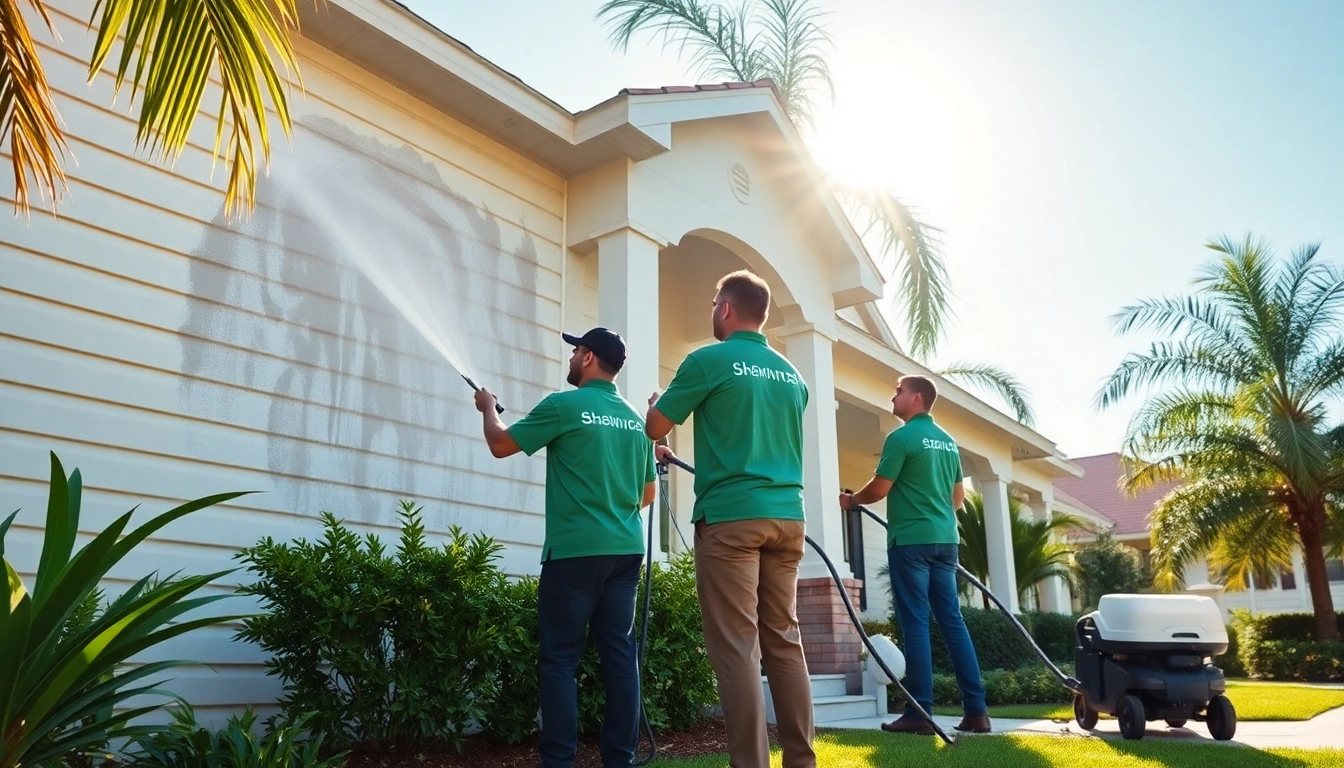
Understanding Soft Wash: What It Is and How It Works
In the realm of exterior cleaning, the technique known as soft wash stands out for its gentle yet effective approach. Unlike traditional pressure washing, soft washing employs a low-pressure method combined with specially formulated cleaning solutions. This not only preserves the integrity of delicate surfaces but also ensures a thorough clean by eliminating dirt, algae, and mildew at the roots.
Definition of Soft Wash and Its Benefits
Soft washing is a cleaning method that utilizes low-pressure water combined with biodegradable cleaning agents to gently remove contaminants from surfaces. This technique is especially beneficial for materials that could sustain damage from high-pressure washing, such as roof shingles, wood siding, and painted surfaces. The key benefits of soft washing include:
- Safe for Delicate Surfaces: Soft washing minimizes the risk of damage often associated with high-pressure cleaning.
- Long-Lasting Results: The use of chemical solutions not only cleans but also helps to prevent regrowth of mold and algae.
- Eco-Friendly: The biodegradable solutions used in soft washing contribute to environmental sustainability.
- Enhanced Curb Appeal: Regular soft washing can significantly improve the appearance of your property, making it more inviting.
How Soft Washing Differs from Traditional Pressure Washing
While both soft washing and traditional pressure washing aim to clean surfaces effectively, they operate on fundamentally different principles. Traditional pressure washing employs high-pressure water jets to blast away dirt and grime. This method is effective for hard surfaces like concrete and brick but can cause serious damage to softer materials. In contrast, soft washing uses a low-pressure system that applies specialized cleaning solutions, allowing for a gentler approach that effectively removes biological contaminants without harming the underlying surface.
Common Applications for Soft Washing in Residential and Commercial Settings
Soft washing is versatile and can be applied in various settings. Common applications include:
- Residential Homes: Cleaning roofs, siding, and decks to improve appearance and longevity.
- Commercial Buildings: Maintaining a clean storefront to attract customers and enhance brand image.
- HOA Communities: Cleaning shared spaces such as sidewalks and pool areas.
- Multi-Unit Dwellings: Ensuring that apartment complexes look their best for residents and visitors.
Essential Equipment for Effective Soft Washing
To achieve the best results with soft washing, having the right equipment is paramount. Understanding the tools and components involved is essential for both professional service providers and DIY enthusiasts.
Overview of Soft Wash Systems and Components
A typical soft wash system includes the following components:
- Low-Pressure Pump: Essential for delivering the cleaning solution at a safe pressure.
- Water Tank: Stores the water used in the cleaning process.
- Injector System: Mixes the cleaning solution with water correctly.
- Cleaning Wands: Specifically designed nozzles to apply the solution evenly.
Choosing the Right Cleaning Solutions and Chemicals
Selecting the appropriate cleaning solutions is crucial for effective soft washing. Look for biodegradable options that effectively target mold, mildew, and algae. Many professionals use a mixture of sodium hypochlorite (bleach) and water, but always adhere to recommended dilution ratios to avoid surface damage.
Maintenance and Care for Soft Washing Equipment
Regular maintenance of your soft washing equipment extends its lifespan and ensures optimal performance. Here are essential maintenance tips:
- Regularly flush the system with clean water to prevent buildup of chemical residues.
- Inspect hoses and connectors for leaks or damage.
- Clean filters to ensure unobstructed flow of water and chemicals.
- Store equipment in a dry, protected area when not in use.
Best Practices for Soft Washing Homes and Businesses
Implementing best practices for soft washing can enhance the effectiveness of the cleaning process while ensuring safety and compliance with industry standards.
Step-by-Step Guide to Soft Washing a Home Exterior
Follow these steps for a successful soft washing experience:
- Prepare the Area: Remove any outdoor furniture, cover plants, and protect windows.
- Mix Cleaning Solution: Prepare a safe and effective cleaning solution tailored to the specific surface.
- Apply the Solution: Use a soft wash wand to apply the solution evenly, starting from the bottom and working upwards.
- Let it Sit: Allow the solution to dwell for the recommended time to effectively kill mold and mildew.
- Rinse Thoroughly: Rinse with low-pressure water to remove any remaining solution and contaminants.
Safety Protocols to Follow During Soft Washing
Employing safety measures is vital during any cleaning operation. Ensure you wear protective gear, including gloves, goggles, and non-slip footwear. Additionally, be cautious of overhead power lines and advise neighbors of potential overspray, especially if using strong chemicals.
Tips for Scheduling and Frequency of Soft Wash Services
Regular soft washing can prolong the life of your home’s exterior. It is advisable to schedule soft washing at least once a year, with additional cleanings for areas prone to mold and mildew due to humidity. Discuss your specific needs with a professional to determine the best schedule for your property.
Addressing Common Concerns and Misconceptions
Despite its numerous benefits, many individuals harbor concerns and misconceptions about soft washing. Addressing these can help potential clients make informed decisions.
Is Soft Washing Safe for All Surfaces?
Yes, soft washing is safe for a wide variety of surfaces. However, it’s important to consult with professionals about the specific materials involved, as some surfaces, like certain types of wood or poorly sealed concrete, may require special consideration.
Myths About Soft Washing Effectiveness and Results
Several myths circulate about soft washing, often stemming from misunderstandings. One common misconception is that soft washing is ineffective compared to high-pressure washing. In reality, soft washing effectively cleans surfaces without the risk of damage, offering long-lasting results when done correctly.
Environmental Impact and Eco-Friendly Practices in Soft Washing
Soft washing can be environmentally friendly, especially when biodegradable solutions are used. Many professional cleaning services prioritize eco-safe cleaning agents, minimizing the impact on surrounding vegetation and wildlife.
Future Trends in Soft Washing for 2025 and Beyond
The soft washing industry is evolving, driven by technological advancements and changing consumer preferences. Recognizing these trends can help businesses and homeowners stay ahead.
Emerging Technologies in Soft Washing Equipment
As technology advances, new soft washing equipment with improved efficiency and safety features is expected to emerge. Innovations might include automated systems, better sprayers that maintain consistent pressure, and eco-conscious cleaning agents.
Shifts in Consumer Preferences and Expectations
Consumers are increasingly seeking environmentally friendly and efficient cleaning solutions. As awareness of sustainability grows, the demand for eco-conscious soft washing services is expected to rise.
Forecasting the Market for Soft Washing Services in Central Florida
With a growing interest in home aesthetics and property maintenance, the market for soft washing services is projected to expand in Central Florida. Homeowners and businesses alike are recognizing the benefits of maintaining clean, safe environments, paving the way for increased service demand.