Understanding Structural Steel Installation
Structural steel installation is a critical operation in the construction industry, encompassing various processes that involve assembling and erecting steel structures. Structural steel plays an integral role in the framework of buildings and infrastructures, providing the necessary support and stability. Understanding the nuances of structural steel installation is essential for construction professionals seeking to ensure safety, efficiency, and durability in their projects. By grasping the fundamentals, best practices, and latest trends, contractors can effectively execute structural steel installation and achieve impressive results.
What is Structural Steel Installation?
Structural steel installation refers to the process of erecting and assembling steel framework for buildings and other structures. This includes a variety of activities such as positioning beams, columns, and trusses, as well as securing them with bolts, welds, or other fastening methods. The structural integrity of a building heavily relies on proper installation techniques that meet engineering specifications and regulatory standards.
Importance of Structural Steel in Construction
The significance of structural steel in construction cannot be overstated. Steel is known for its exceptional strength-to-weight ratio, which allows for the construction of tall buildings and expansive structures without compromising safety. Moreover, steel is also highly resilient to environmental factors, making it suitable for a variety of climates. Its versatility enables architects and engineers to innovate while ensuring that structures are both functional and visually appealing.
Key Terminology in Structural Steel Installation
- Beam: A horizontal structural element that supports vertical loads.
- Column: A vertical element that carries loads from beams and transfers them to the foundation.
- Bracket: A support feature that connects beams and columns.
- Welding: The process of joining two metal parts together by melting and fusing them.
- Blueprint: A detailed drawing that guides the installation process.
- Fasteners: Devices such as bolts, screws, and nuts that secure components together.
Pre-Installation Preparations for Structural Steel
Site Assessment and Planning
A comprehensive site assessment is the first step in the pre-installation phase of structural steel. This involves evaluating the project location for various factors, including soil mechanics, environmental conditions, and zoning regulations. It's critical to understand the geographical implications and existing infrastructure as these elements can influence the design and installation process. Planning should also include coordinating with architects, engineers, and construction managers to create a well-defined timeline and resource allocation strategy that keeps the project on track.
Essential Tools and Materials for Structural Steel Installation
To successfully execute structural steel installation, a variety of specialized tools and materials are needed. Essential tools include:
- Cranes: For lifting heavy steel components into place.
- Wrenches: For fastening bolts and nuts securely.
- Laser Levels: To ensure precise alignment of structures.
- Cutting Tools: For altering steel dimensions when necessary.
Additionally, high-quality steel components, safety equipment such as helmets and harnesses, and adequate scaffolding systems should be prepared in advance to avoid any delays during the installation phase.
Safety Considerations and Protocols
Safety is paramount in any construction operation, and structural steel installation is no exception. Implementing stringent safety protocols protects workers and reduces the risk of accidents on site. Workers should be trained in fall protection, proper lifting techniques, and the correct use of personal protective equipment (PPE). Regular safety audits and assessments should also be carried out to identify potential hazards. A clear communication plan should be established to ensure that all team members are aware of their responsibilities and safety procedures.
Step-by-Step Process of Structural Steel Installation
Foundation and Anchor Bolt Setup
The structural integrity of a steel framework is reliant on a solid foundation. Initially, the foundation must be prepared to accurately accommodate the anchor bolts that will secure the columns. The process begins with excavation and pouring concrete footings that support these bolts. The positioning and alignment of the anchor bolts require meticulous attention to detail, as any discrepancies can lead to complications during column installation.
Column Installation Techniques
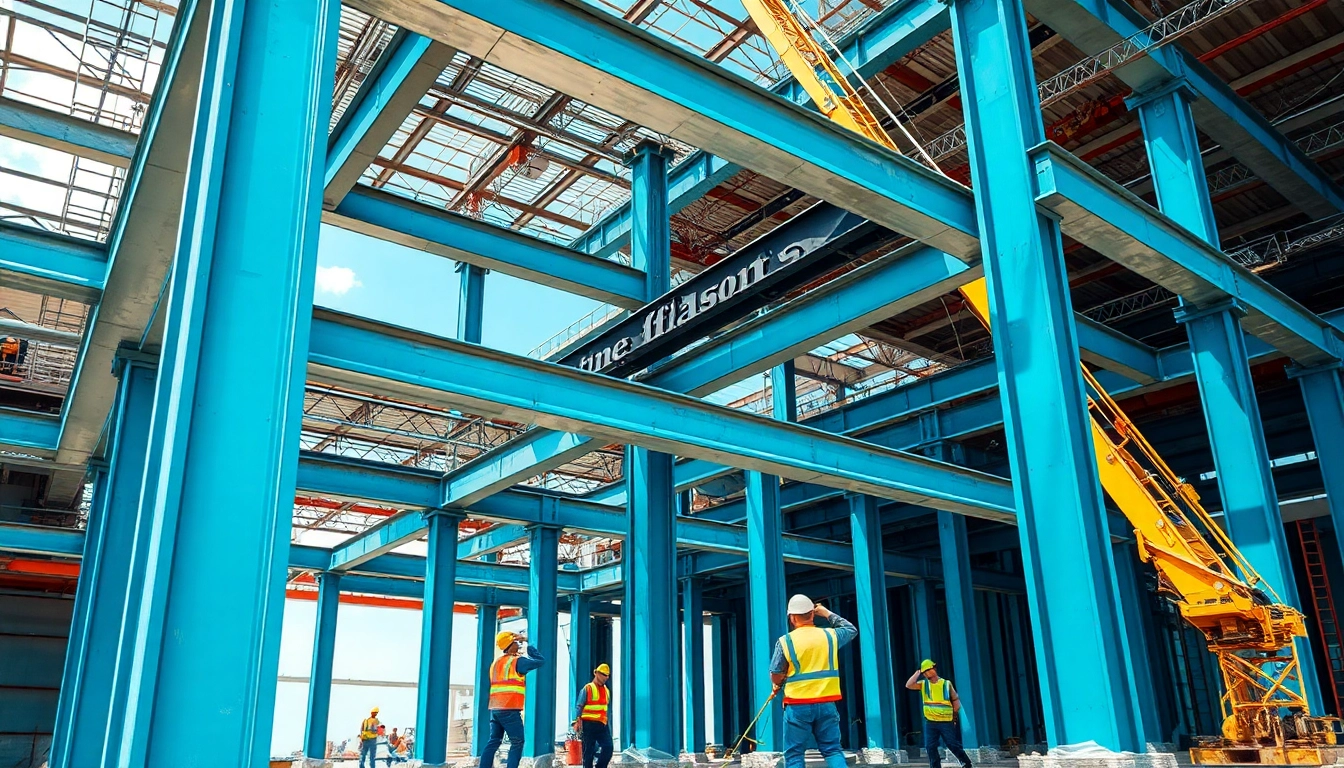
Once the anchor bolts are set, column installation can commence. This can be achieved through vertical lifting using cranes or other lifting devices. Aligning the columns with the previously installed anchor bolts is crucial, and secure fastening can be done using bolts or welding. It is essential to regularly use level checks during this step to ensure that columns are plumb and squared before proceeding with additional installations.
Beam Erection Methods
Following column installation, the beams are erected. The beam erection process must maintain structural stability and precision. Depending on the design, multiple methods may be adopted, such as the use of temporary supports or a cantilever method, depending on the load distribution planned in the structure. Each beam should be meticulously anchored to the columns, ensuring the integrity of the overall framework before any further construction takes place.
Best Practices for Structural Steel Installation
Quality Control Measures
Implementing quality control measures throughout the installation process ensures the project's overall integrity. Regular inspections should occur at each phase of the installation, and compliance with engineering specifications must be verified. Engineers and project managers should coordinate to ensure that materials used meet safety standards and specifications outlined in the project documentation.
Common Challenges and Solutions
Structural steel installation poses certain challenges, such as scheduling conflicts, structural misalignments, or unexpected weather conditions. Proactive strategies should be adopted to mitigate these issues. For example, adhering to a detailed project timeline can alleviate scheduling conflicts. Utilizing advanced technology such as 3D modeling can help in identifying potential structural misalignments prior to installation. Additionally, contingency planning for adverse weather conditions ensures that the project can proceed without significant delays.
Innovative Techniques in Structural Steel Installation
The evolution of technology has led to innovative techniques in structural steel installation. Techniques such as modular construction enable elements to be fabricated off-site and assembled on location, significantly reducing construction time. Use of robotics and drones for monitoring and inspections can improve safety, accuracy, and efficiency. Additionally, integrating Building Information Modeling (BIM) can streamline the planning and installation process by providing accurate representations of the project, facilitating better decision-making by stakeholders.
Post-Installation Reviews and Maintenance
Inspection Protocols After Structural Steel Installation
After installation, comprehensive inspections should occur to ensure the framework meets all regulatory guidelines and quality standards. This process involves checking all connections for tightness, ensuring that beams and columns are properly aligned, and assessing the overall stability of the structure. Utilizing experienced inspectors is crucial, as they can expertly identify any discrepancies that could compromise safety or structural integrity.
Long-term Maintenance of Structural Steel Structures
Maintenance is essential for ensuring the longevity of steel structures. Regular maintenance schedules should include inspections for any signs of corrosion, wear, or structural fatigue. Protective coatings may be applied to prevent rust and deterioration, and any issues identified during inspections should be addressed immediately to avert larger problems in the future. Documenting maintenance activities plays a vital role in analyzing the performance of the structure over time and making necessary adjustments.
Future Trends in Structural Steel Installation
As technology evolves, the future of structural steel installation is expected to embrace automation, sustainability, and smart construction practices. Trends indicate an increase in eco-friendly materials and practices, such as the incorporation of recycled steel. Additionally, the use of advanced analytics and machine learning is anticipated to enhance project management practices, improve efficiency, and reduce costs associated with structural steel installation. The ongoing commitment to safety and innovation will guide the industry toward sustained excellence in construction practices.