Understanding Structural Steel Construction
Structural steel construction is a method widely used in the building industry, recognized for its durability, strength, and versatility. This type of construction employs steel components that are fabricated to specific sizes and shapes, designed primarily to support loads in buildings, bridges, and various large structures. Structural steel can be found in an array of applications, from skyscrapers to industrial buildings, offering a reliable solution to meet diverse architectural and structural demands. Such durability and dependability stem from structural steel's inherent properties, which allow it to withstand various forces and environmental conditions throughout its lifespan. In this guide, we will explore the different facets of structural steel construction, its benefits, techniques, and challenges, while also gazing into the future of this vital industry.
What is Structural Steel?
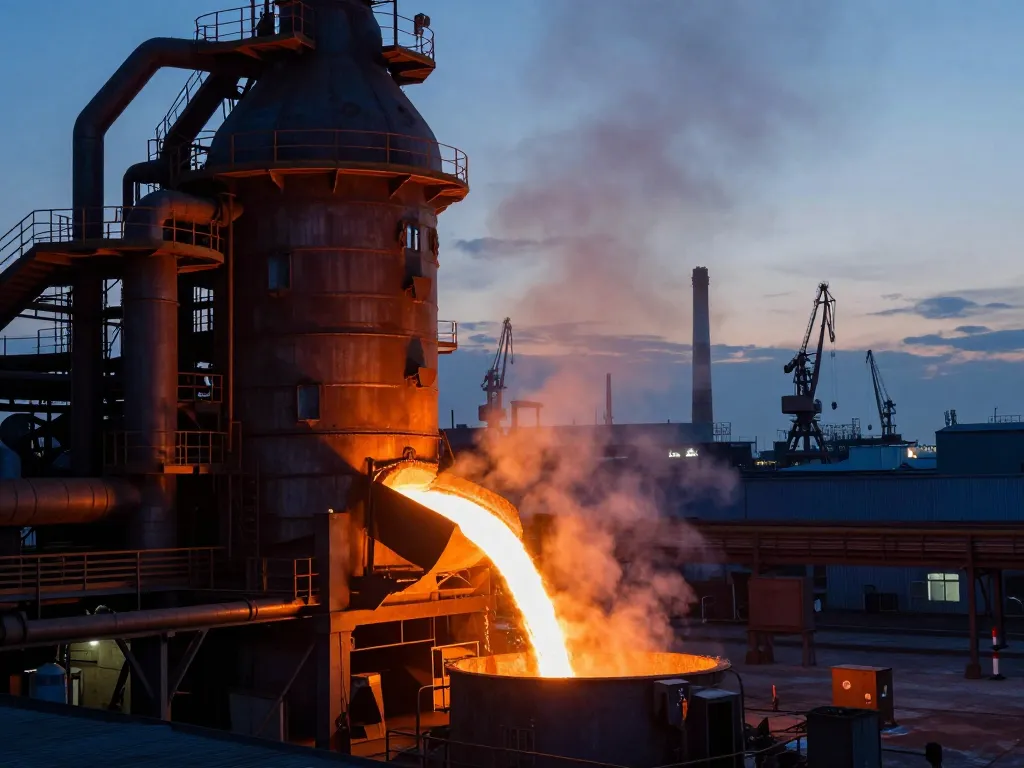
Structural steel refers to a category of steel that is produced in specific shapes and sizes, primarily to be used in construction applications. The production of structural steel typically involves carbon steel with a high yield strength, allowing for substantial load-bearing capabilities. The different shapes commonly include beams, columns, and plates, which can be hot or cold-rolled, depending on the specific requirements of the project.
To qualify as structural steel, the material must meet rigorous standards established by organizations such as the ASTM (American Society for Testing and Materials) and the AISC (American Institute of Steel Construction). These standards ensure that the steel used in construction processes is reliable and safe, catering to the various demands of architectural and engineering projects. Structural steel's characteristics make it an ideal choice for both commercial and residential construction, blending performance with a reduced environmental footprint when managed properly.
Main Features of Structural Steel
The distinct features of structural steel contribute greatly to its popularity in construction. Some key attributes include:
- High Strength-to-Weight Ratio: Structural steel can bear heavy loads while remaining lightweight. This feature minimizes the overall weight of a structure, leading to cost savings in the foundation and materials.
- Ductility: Structural steel can deform under stress without sudden failure, allowing buildings to withstand extreme conditions such as earthquakes and high winds.
- Recyclability: Steel is one of the most recycled materials globally, making it an environmentally friendly choice when it comes to sourcing materials for construction.
- Speed of Construction: Pre-fabrication of steel components off-site allows for quicker assembly on-site compared to traditional materials.
Types of Structural Steel Used in Construction
Different grades and types of structural steel are utilized in construction, each serving specific purposes based on the demands of the project. The main classifications of structural steel include:
- Carbon Steel: This is the most common type of structural steel, categorized broadly into low, medium, and high carbon steel. Each type has different tensile strengths suited for various applications.
- Alloy Steel: A mixture of various elements (such as chromium, nickel, or molybdenum) with carbon steel, alloy steel offers enhanced characteristics such as increased strength, toughness, and resistance to wear.
- Stainless Steel: Known for its corrosion resistance, stainless steel is suitable for structures exposed to harsh environments, including saline conditions.
- High-strength Low-alloy Steel (HSLA): These steel grades are designed to provide high strength while maintaining good ductility, commonly used in buildings subjected to high stress.
The Benefits of Using Structural Steel in Construction
Durability and Longevity of Structural Steel
Structural steel is recognized for its remarkable durability and longevity. Properly treated and maintained steel structures can last for several decades, often up to 50-100 years without substantial deterioration. The material's resistance to environmental factors such as rust, termites, and rot contributes significantly to its lifespan.
Moreover, advancements in protective coatings and galvanization methods further enhance the life expectancy of structural steel by providing shiny finishes that resist corrosion. By implementing regular inspections and maintenance protocols, projects can benefit from the extended durability of steel construction.
Cost Efficiency and Project Timeline Improvements
The efficiency of structural steel construction translates directly into cost savings and improvements in project timeline. The prefabrication of steel components allows for simultaneous site preparation, reducing the overall construction time. Once on-site, assembly is swift thanks to the straightforward connection methods used to join steel elements. This efficiency can lead to reduced labor costs and quicker return on investment for completed projects.
Moreover, the lightweight nature of steel means that there may not be a need for extensive substructures, such as deep foundations, further lowering budgetary requirements. With time-sensitive projects, structural steel's adaptability provides a significant edge over traditional building materials, allowing for timely responses to market demand.
Flexibility in Design and Applications
The versatility of structural steel allows for innovative architectural designs that may be challenging to achieve with other materials. Structural steel can be fabricated into a variety of shapes and sizes, accommodating unique design elements while maintaining structural integrity. Its flexibility is invaluable for architects looking to push creative boundaries without compromising safety or functionality.
Additionally, assembly methods such as modular construction or steel frame systems allow designers to experiment with structures featuring open floor plans and vast spans, enhancing usability within the built environment. The aesthetic appeal of exposed steel can also invoke a modern industrial style, attracting a broader array of clientele.
Structural Steel Construction Techniques
Popular Methods and Best Practices
Various construction methods are employed with structural steel, each chosen based on project requirements and site conditions. Some prevalent techniques include:
- Steel Frame Construction: This method utilizes a network of steel beams and columns to serve as the framework of a building. The strength and rigidity of the steel frame support heavy loads, providing a robust foundation.
- Modular Steel Construction: Prefabricated modules are manufactured off-site and delivered for assembly on-site. This process not only saves time but also enhances accuracy in construction.
- Composite Construction: Combining structural steel with concrete, composite construction enhances the load-bearing capacity of floors and beams, optimizing the benefits of both materials.
- Balloon Framing: This technique involves constructing a continuous wooden frame alongside a steel frame, combining both materials to provide additional strength.
Implementing best practices, such as adhering to building codes, conducting thorough site assessments, and maintaining effective project management, is crucial for successful implementation of these techniques. Regular communication among project stakeholders further ensures the alignment of goals and expectations, minimizing setbacks.
Safety Precautions in Steel Assembly
Safety is paramount in structural steel construction, given the inherent risks associated with handling heavy materials. Essential safety precautions include:
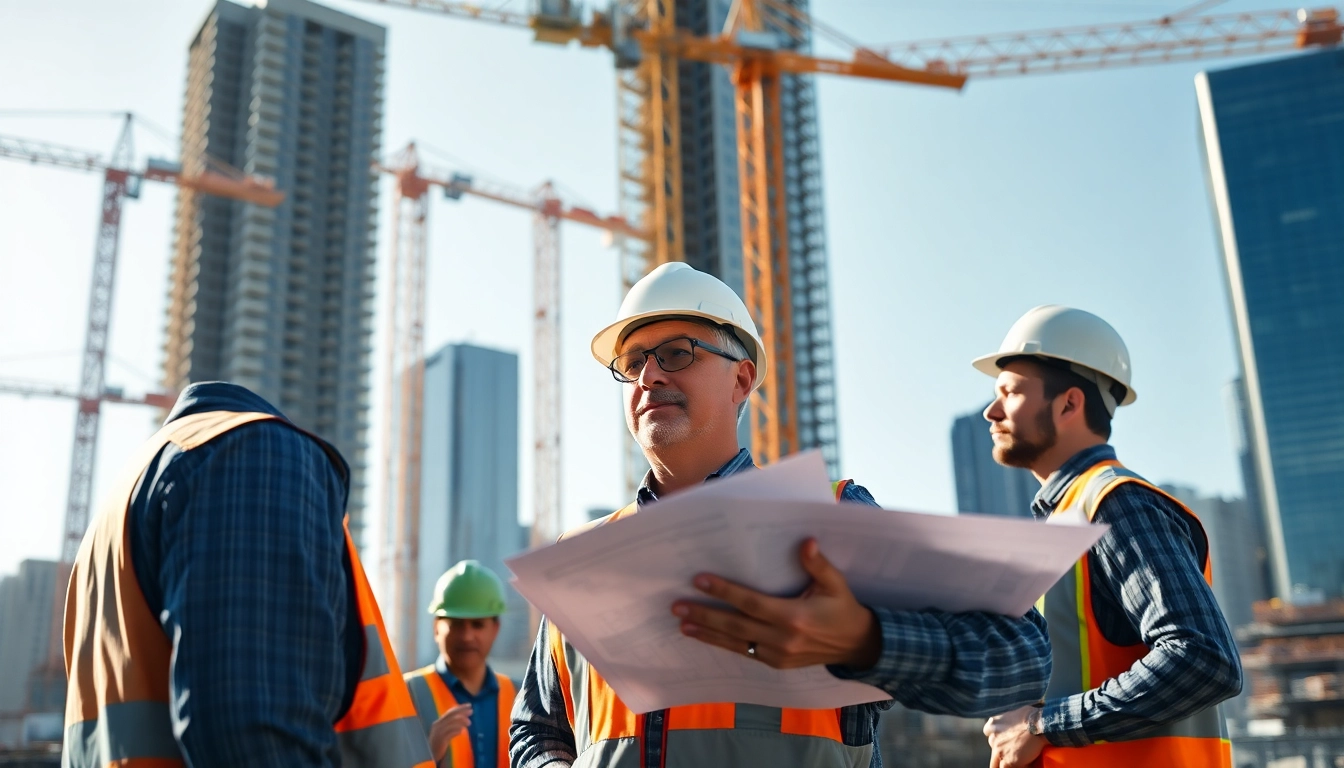
- Personal Protective Equipment (PPE): Workers must wear hard hats, steel-toed boots, gloves, and harnesses to protect against falls and injuries.
- Rigorous Training: Proper training on equipment and assembly methodologies ensures that crews are well-prepared to handle structural steel safely.
- Regular Safety Meetings: Daily or weekly safety briefings reinforce the importance of safety protocols and allow for addressing any potential hazards proactively.
- Utilizing Safety Equipment: Lifting equipment, scaffolding, and fall protection systems should meet safety standards and be used correctly to ensure the integrity of all workers on-site.
Common Challenges in Structural Steel Projects
Addressing Weather Conditions and Site Challenges
Weather conditions can pose challenges to structural steel construction, particularly when it comes to colocating vulnerable materials or preventing excessive moisture that may weaken connections. Seasonal considerations, such as temperature fluctuations, rain or snow, can also impede construction timelines. To mitigate these issues, project managers should prepare contingency plans that may include:
- Implementing weather-resistant measures when fabricating and assembling structural steel components.
- Monitoring weather forecasts to adjust scheduling and on-site activities accordingly.
- Utilizing temporary enclosures to protect construction areas from adverse weather.
Simplifying access challenges, such as restricted entry to build sites due to surrounding infrastructures, can also be tackled by planning comprehensive logistics and material handling solutions ahead of time.
Managing Costs and Budgets Effectively
With complexities in structural steel construction, budgeting can often become a daunting task. Unexpected expenses can arise from design changes, equipment costs, or supply chain disruptions. To manage costs effectively, companies should:
- Develop detailed project budgets at the outset, accounting for materials, labor, equipment, and contingencies.
- Conduct regular cost reviews to analyze variances and identify cost-saving opportunities.
- Invest in quality project management software to streamline budgeting processes and enhance visibility across all project elements.
Building strong relationships with suppliers can result in better negotiation terms and pricing, further providing budgetary relief.
Quality Control in Structural Steel Fabrication
Quality control is crucial in the fabrication of structural steel, as it directly impacts the overall safety and reliability of the constructed structure. To maintain high standards during fabrication, companies should:
- Implement stringent quality assurance protocols, including inspections at various fabrication stages.
- Utilize automated manufacturing technologies, where applicable, to enhance measurement accuracy and minimize human error.
- Collaborate with certified quality control companies to ensure adherence to industry standards and regulations.
Through continuous monitoring and assessment of quality throughout the fabrication process, construction firms can sidestep defects and ensure the structural integrity of their projects.
Future Trends in Structural Steel Construction
Sustainability in Structural Steel Use
With increasing focus on sustainable construction practices, the use of structural steel is evolving to meet environmental standards. Steel's inherent recyclability helps reduce waste and the demand for raw materials, aligning with the goals of sustainable building practices. Additionally, advancements in producing low carbon and eco-friendly steel present companies with opportunities to lower their environmental footprint while still enjoying the benefits of durable materials.
Emerging Technologies in Steel Fabrication
New technologies in steel fabrication are making a notable impact on productivity and efficiency in the construction sector. The advent of robotic welding, 3D printing, and BIM (Building Information Modeling) software has transformed design and production processes. With these technological innovations, companies can anticipate more precise, adaptable, and integrated construction methodologies. For instance, BIM software can streamline project planning and enable real-time data sharing among stakeholders, contributing to efficiency gains.
Impact of Regulations and Standards on Future Projects
As regulations and standards surrounding structural steel construction continue to evolve, staying informed is crucial for the industry. Compliance with safety regulations, environmental standards, and building codes reflects not only a commitment to public safety but also serves as a competitive advantage. Emerging regulations may focus on enhancing safety protocols, improving energy efficiency, and promoting sustainable materials, thereby shaping the future landscape of structural steel construction.